The Real Reason Energy Crashes Happen—and Why Metabolism Determines Longevity
Energy Should Not Be Fragile
If your energy depends on coffee, perfect meals, or ideal conditions, it isn’t real energy—it’s compensation.
Many high performers experience predictable crashes:
Mid-morning fatigue
Afternoon slumps
Evening exhaustion that kills recovery
These dips are often dismissed as normal. They’re not. They’re signs of unstable metabolic energy regulation.
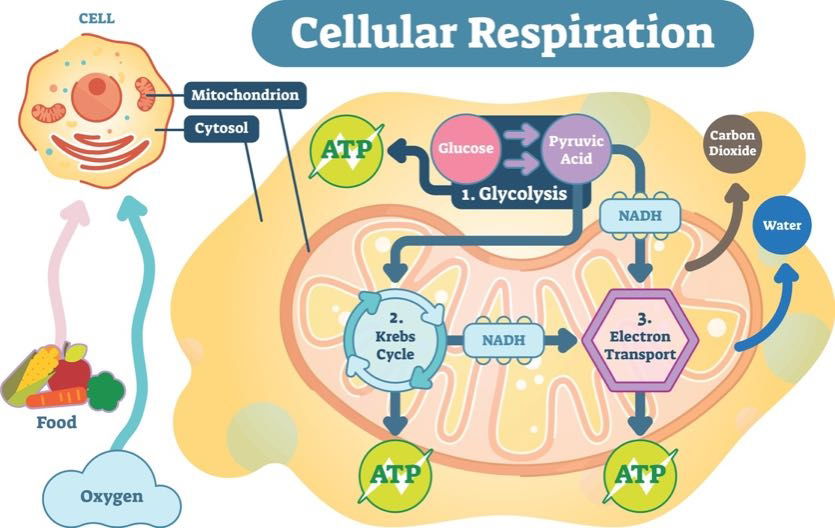
Energy Is a Biological Output
Energy is not a mindset.
It’s the result of how efficiently your body produces, stores, and delivers fuel.
Metabolism determines:
How long energy lasts
How resilient you are under stress
How well you recover
How quickly fatigue accumulates
When energy production is inefficient, the body compensates—until it can’t.
Why Energy Crashes Accelerate Aging
Chronic energy instability forces the body into a stress-adaptive state. Over time, this leads to:
Increased inflammatory signaling
Impaired cellular repair
Reduced mitochondrial efficiency
Accelerated biological aging
Longevity is not just about living longer—it’s about sustaining functional capacity over time. Metabolism sits at the center of that equation.

Why Energy Crashes Accelerate Aging
Chronic energy instability forces the body into a stress-adaptive state. Over time, this leads to:
Increased inflammatory signaling
Impaired cellular repair
Reduced mitochondrial efficiency
Accelerated biological aging
Longevity is not just about living longer—it’s about sustaining functional capacity over time. Metabolism sits at the center of that equation.
Longevity Requires Stable Energy
Healthspan—the number of years you function at a high level—depends on:
Consistent energy availability
Efficient cellular repair
Stress that is recoverable, not chronic
Metabolic flexibility
When energy is stable, the body can invest in maintenance and repair rather than survival.
The Problem With “Pushing Through”
Many high achievers pride themselves on pushing through fatigue. But overriding biology doesn’t eliminate cost—it delays it.
Common long-term outcomes include:
Burnout
Hormonal disruption
Declining cognitive sharpness
Reduced resilience with age
Longevity is not preserved by grit.
It’s preserved by alignment.
What Changes When Energy Is Metabolically Stable
When metabolism supports energy properly:
Crashes disappear
Focus becomes steady
Recovery improves
Aging slows at the cellular level
Performance becomes sustainable across decades
This is the difference between surviving your schedule and thriving within it.
Longevity Is Built Daily
Longevity isn’t created in dramatic moments.
It’s built through daily energy stability.
When metabolism is optimized, energy becomes reliable, recovery becomes efficient, and performance compounds over time.
That’s not just better productivity.
That’s a longer, stronger, more capable life.